

From implementers to co-creators
Some may argue that manufacturers already have a seat at the table. They are increasingly consulted by brands, regulators, multistakeholder initiatives (MSIs), or NGOs when an initiative or solution has been drafted that concerns them, around topics such as worker health and safety, or lowering the impacts of manufacturing. However, FPC members Vogue Business spoke to argue that this isn’t enough. The problems being defined, the questions being asked, the priorities being set, and the challenges and limitations being assumed are all set in stone before any manufacturers are involved. They are only consulted once the solution is at — or almost at — the implementation stage, and feedback is often accepted within narrow parameters.
“More often than not, people would come up with things that they think are good for us without asking us. That felt like the opposite of equity,” says Saqib Sohail, FPC co-creator and consultant at strategic transformation advisory firm Upfront Textiles, who works across areas including raw material research, social due diligence, water stewardship, and facility decarbonization. “Do not come to us when you’ve already done everything just to get an endorsement. Join us on day zero, make us part of this from a co-creation point of view.”
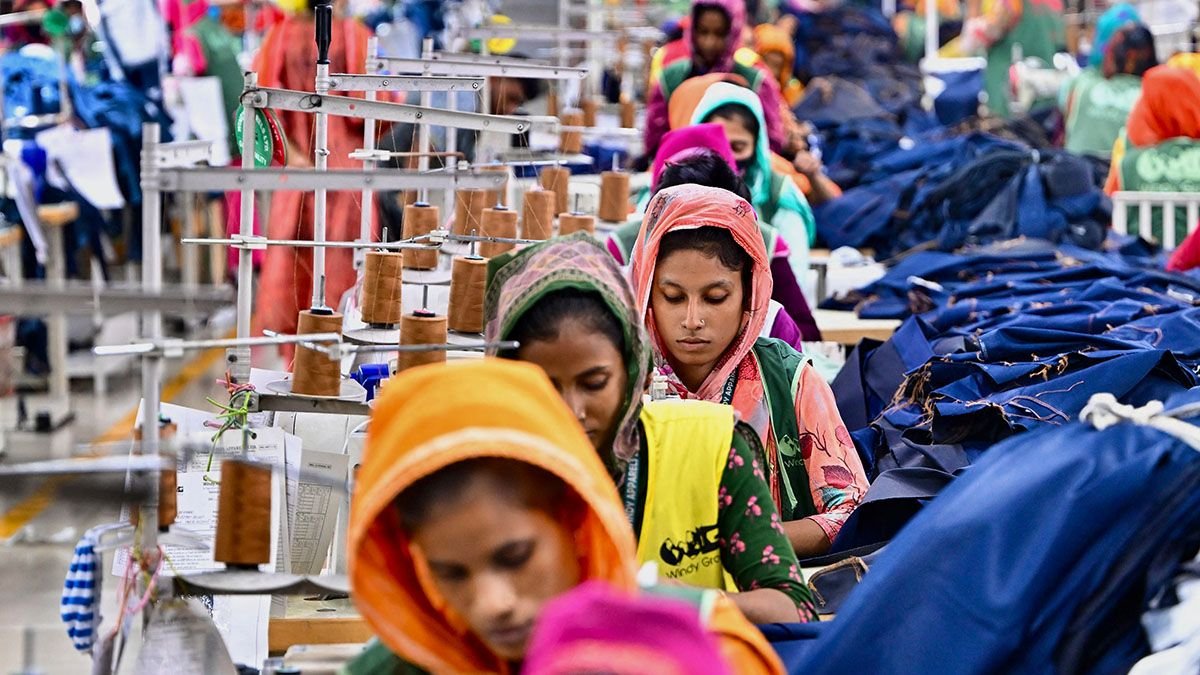
OECD panel with Fashion Producer Collective and members.
Photo: Courtesy of Fashion Producer Collective
Treating manufacturers as an afterthought can hinder progress, adds fellow FPC co-creator Ilishio Lovejoy, who is program manager at climate-focused philanthropic organization the Laudes Foundation and previously worked as head of ESG for an apparel supplier. When manufacturers haven’t been involved in the design of a solution or the way it gets implemented, they are naturally resistant. As a result, decision-makers from brands to policymakers attempt to bring about change through force, using mechanisms such as financial penalties or threatening to cut contracts altogether.
“Whatever the brand says, you have to do it,” says Saqib Shahzad, general sustainability manager at Sapphire Group, a leading textile company in Pakistan, and a founding member of the Transformers Foundation, an educational sustainable denim non-profit. Fifteen years ago, the company held four certifications; it is now required to hold 40, on which it spends €130,000 annually on certification fees. The implementation cost is three to five times more than that, says Shahzad.
The FPC wants to interrupt the system where decisions are made in offices and boardrooms thousands of miles away, then forced upon manufacturers. “We imagine a world where producers are co-creators of sustainability, not just as implementers,” says van der Weerd. “Our mission is to increase manufacturers’ power and influence over the sector’s sustainability strategies.”
