
Frequently Asked Questions
Is spray sunscreen effective?
When used correctly, spray sunscreen can effectively protect you from harmful UV rays. We repeat: When used correctly. The problem is that “sprays are often applied too lightly or unevenly,” Dr. Camp says. “Lotion tends to make it easier to see where you’ve covered the skin,” so it’s usually considered more effective.
Spray sunscreen can also lose its efficacy if you don’t rub it in. Massage the sunscreen into your skin after spraying it on, or spray a generous amount directly into your hands then apply it like a lotion, Dr. Huizenga says. And take care on uneven or contoured parts of your body, like your shoulders, knees, and ankles, Dr. Camp says. These areas can be harder to cover completely, so you may need to spend a little extra time rubbing in the spray. “Even if the product advertises continuous or even coverage, rubbing it in is a simple step that can improve protection,” he explains.
How much spray sunscreen should you apply?
Unless you already know to be extra careful and thorough when applying spray sunscreen, you probably aren’t using enough of it. “Spray each area of exposed skin until it has an even, visible sheen before rubbing it in, rather than giving it a quick pass,” Dr. Camp says. To make sure you’re getting consistent coverage, take your time and use a product with a continuous spray. Your skin should feel fully coated, Dr. Huizenga says, adding that it’s important to reapply every two hours.
Meet the experts
- Brendan Camp, MD, a board-certified dermatologist based in New York
- Mona Gohara, MD, a board-certified dermatologist based in Connecticut
- Taryn Huizenga, MD, a board-certified dermatologist based in New York City
How we test and review products
We always enlist a range of testers for our makeup vertical, but, for example, hair-care products and tools are another story. While some hair products can be used across different textures, lengths, curl patterns, thicknesses, and colors (natural and unnatural), they are often created with specific consumers in mind. Many are formulated to address a concern (dandruff, breakage, brittleness) or to work most effectively for a specific hair type (4C curls, wavy hair, gray hair). You wouldn’t want to pick up a purple shampoo that’s only been reviewed by someone with, say, auburn hair, or a diffuser that’s never been tested by anyone with curls, right?
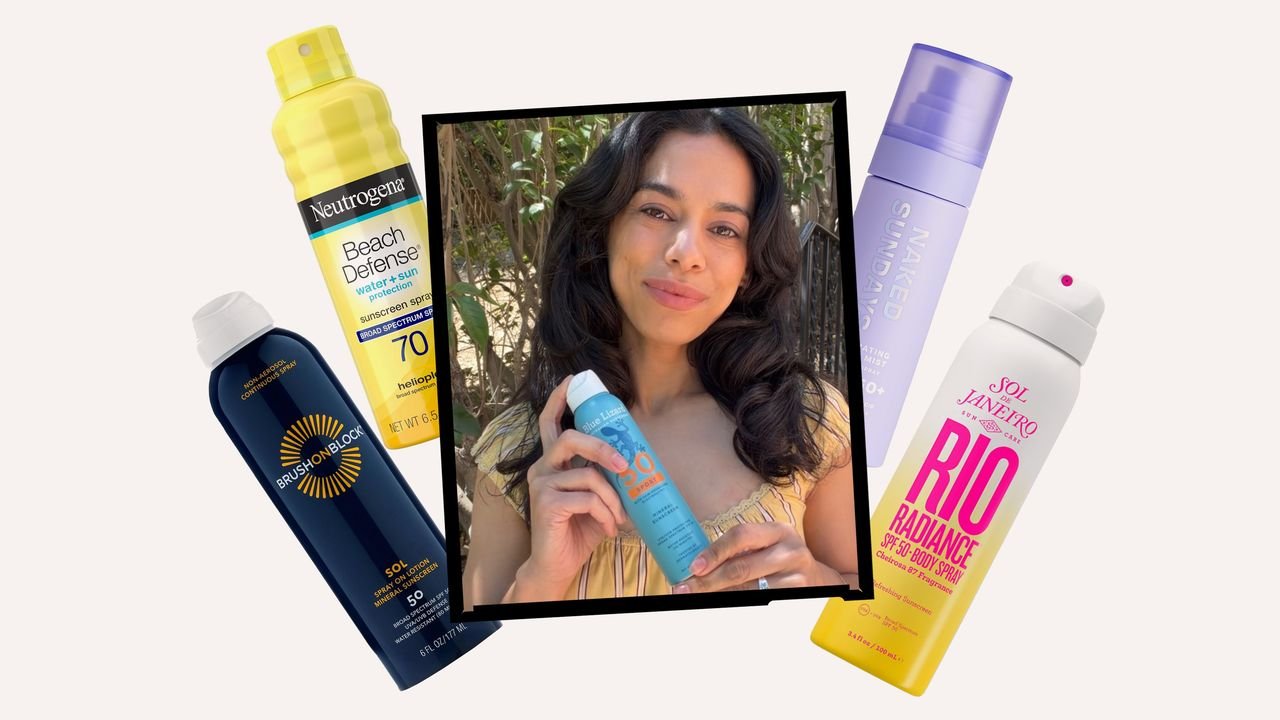
And for our reviews of the best spray sunscreens, we enlisted the help of multiple editors, writers, contributors, cosmetic chemists, and makeup artists with a range of experience studying and using these products. Testers considered performance across four primary categories: efficacy, texture, experience, and formula. For more on what’s involved in our reporting, check out our complete reviews process and methodology page.
Our staff and testers
A beauty product is a personal purchase. You might be searching for a face cream to address persistent dryness or a new nail product to add to your Sunday self-care routine; you may simply be browsing around for the latest launches to hit the hair market. No matter what you seek or your individual needs and concerns, Allure wants to ensure that you love anything we recommend in our stories. We believe that having a diverse team of writers and editors—in addition to the wide range of outside testers and industry experts we regularly call upon—is essential to reaching that goal.
After all, can we really say a skin-care product is the “best” for people over 50 if the only testers we’ve solicited opinions from are folks who have yet to hit 30? Can we honestly deem a high-end diffuser worthy of your hard-earned cash if it’s never been tested on curls? We’re proud that our staff spans a wide range of ages, skin tones, hair textures, genders, and backgrounds, which means that we are able to fairly assess any beauty product that comes into the beauty closet.
Now, watch your favorite celebs take you through their 10-minute beauty routines:
