
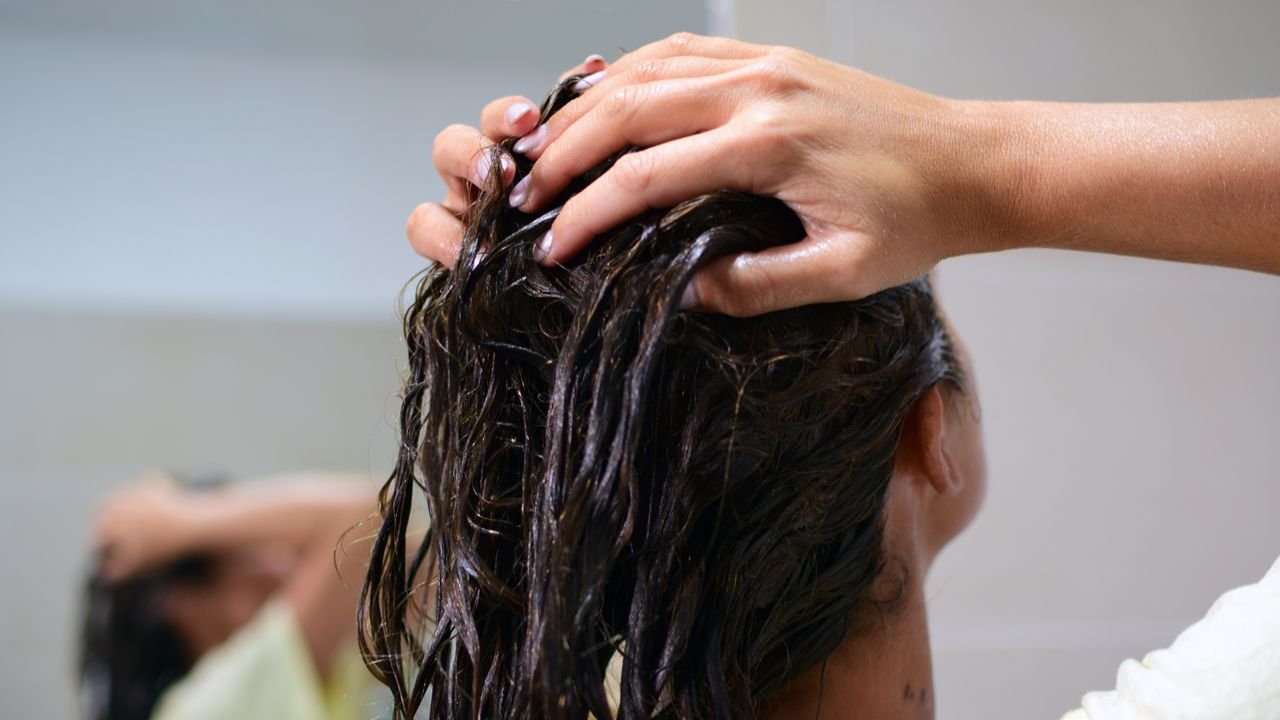
While almost everyone can reap the rewards of these hair-nourishing heroes, they’re most useful for those with dry hair—especially if it’s colored, bleached, or heat-damaged. “When used correctly, a nourishing mask can help keep both natural hair and extensions feeling softer, smoother, and more manageable,” Bailey continues. “They can also help tame frizz, improve shine, and reduce breakage. Even if your hair is relatively healthy, using a mask occasionally can help maintain its condition and protect it from everyday stressors such as UV exposure, pollution, and frequent styling.”
How often should you use a hair mask?
When it comes to hair masks, more isn’t always better. The frequency really depends on your hair type, condition, and the type of mask you’re using. “Most people don’t need to use a hair mask every time they wash their hair,” says Bailey. “For the average person, once a week is usually enough to keep hair healthy and hydrated.”
For dry, damaged, or chemically treated hair, most experts recommend using a rinse-out mask once or twice a week. This gives your strands a concentrated boost of hydration and repair without weighing them down or causing buildup. Fine or oily hair types, on the other hand, might only need a mask every two weeks, or they can opt for a lightweight leave-in version that provides nourishment without heaviness.
Consistency is key, though (as it is with most things in life). Using a mask sporadically won’t deliver lasting results—think of it like a mini spa treatment for your hair rather than a one-off miracle fix. Even leave-in masks, which are designed for daily use, should be applied according to your hair’s needs; overloading can leave strands greasy or limp.
Seasonal changes are also worth considering. Colder months, central heating, and frequent blow-drying can dry hair out more quickly, so you might want to up your mask usage in winter. In summer, lighter formulations or less frequent applications may be enough.
What to look for in a hair mask
“The best hair mask for you depends on your hair type and concerns, but certain ingredients consistently deliver strong results,” says celebrity hairstylist Melissa Timperley. “Look for nourishing ingredients such as shea butter, argan oil, coconut oil, or avocado oil if your hair is dry or damaged.”
For strengthening benefits, Timperley suggests masks that contain proteins such as keratin, hydrolyzed wheat protein, or collagen peptides. However, if your hair is fine or easily weighed down, she recommends more lightweight formulas with ingredients like aloe vera, glycerin, or hyaluronic acid that hydrate without leaving residue.
“Masks with ingredients such as ceramides, peptides, and antioxidants can help repair the hair barrier and protect against environmental damage,” says Timperley. “Products that are sulfate-free and silicone-free are often preferred for long-term hair health, especially if you are avoiding buildup or irritation.”
