

Dubai is often considered the fashion capital of the Gulf region. It was, until recently, a large part of the industry’s highest-growth story, with the Gulf on track to outpace nearly every other market in 2025, according to Bain & Co. Then came the Iran-US conflict, and Dubai found itself exposed. Despite the turmoil, which heavily interrupted travel, the region’s response has been to carry on with business as usual.
Against this backdrop, Dubai Fashion Week (DFW), which first ran in 2023 in partnership with Dubai Design District (d3), is set to have many eyes on its Spring/Summer 2027 edition. There’s some newness this time. The Arab Fashion Council appointed its first chairwoman, Amina Taher, in July, and the fashion week has shifted from September to October, now taking place from October 22 to 26.
DFW is the headline event of the Arab Fashion Council (AFC), which was founded by its CEO, Jacob Abrian, in 2014, with a mandate to represent fashion across the 22 countries of the Arab League. Emirati executive Taher, who is well-respected in the Arab business community, was appointed as its first chairwoman to work alongside Abrian, who remains involved in making Dubai the Gulf’s definitive fashion week.
Models pose backstage at the Lebanese brand, Emergency Room, fashion show in collaboration with Timberland during Dubai Fashion Week FW26.
Photo: Getty Images
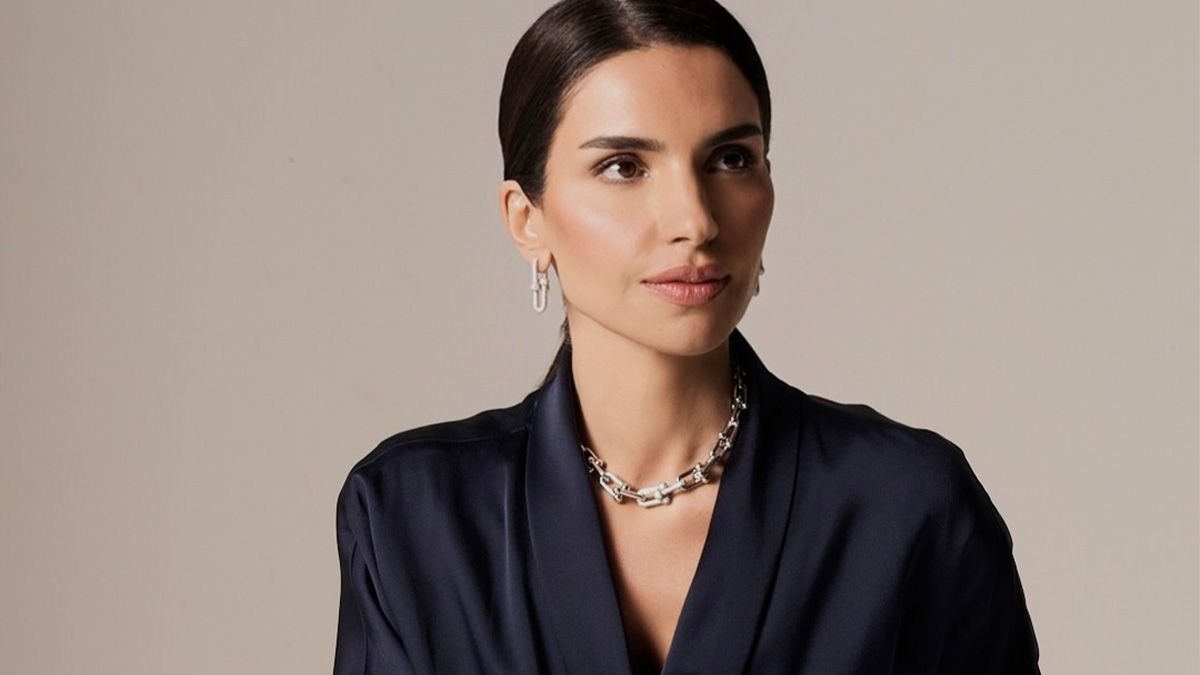
Taher formerly served as chief marketing officer of Wio Bank, the UAE’s first digital-only bank, as well as VP of marketing, brand and sponsorships at Etihad Airways. At AFC, she sees her new role as “opening doors, building strategic relationships and bringing together government, investors, institutions and international partners” to help shape the region’s fashion scene at a difficult moment.
Since her appointment, DFW has moved to align itself more closely with international buying cycles, Taher says: Ramadan 2027 falls in early February, roughly 10 days earlier than in 2026, and a September show would have sat too far ahead of that window to function as a real buying moment.
As Taher settles into her role during a challenging time for the local industry, she speaks to Vogue about her other plans for the fashion council and what to expect from Dubai Fashion Week SS27.
Vogue: How did the appointment come about, and what was the conversation that convinced you to take it on?
It came from a shared belief that AFC is ready for its next chapter, one focused on scale and long-term impact. What drew me in was the opportunity to build more of the infrastructure around the regional talent, connecting fashion to business, investment and international markets. We see enormous potential here, and I wanted to be part of building what comes next.
