

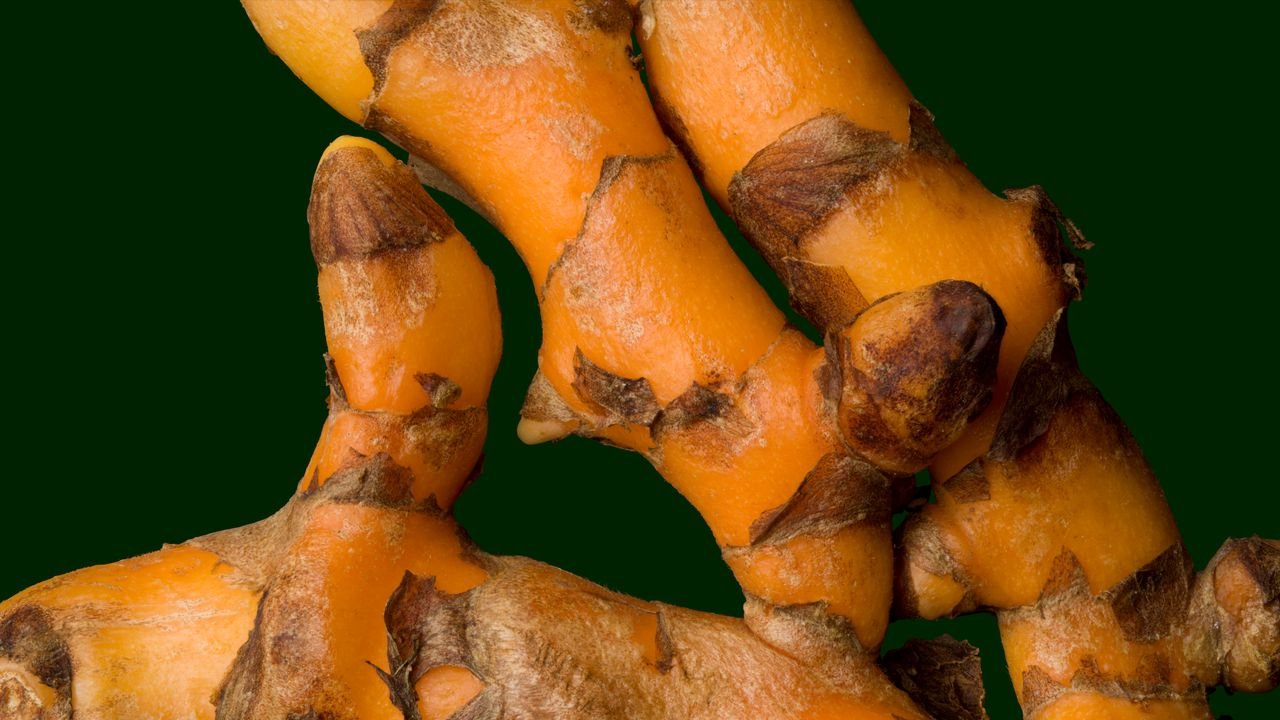
Turmeric, the golden flower and root, has been used for a long time across cultures, including my own Indian culture. My parents, grandparents, and great-grandparents have all incorporated turmeric into both their diet, health, and beauty rituals because of its nutrient-rich profile.
Ruhil Badiani, general practitioner at Cornerstone Clinic, agrees. There are a handful of studies that address the ability of curcumin (the active ingredient in turmeric) to manage and reduce inflammation; it can also help with digestion, as well as help neutralize free radicals. Beyond internal use, turmeric is also a popular ingredient in skin care. Turmeric can brighten skin—it works similarly to vitamin C—and I like to add a tiny bit to my homemade face masks (be careful, it stains!).
But if you’re looking for ways to incorporate turmeric into food or curious about taking supplements, this is the guide for you. Read on below to find everything you need to know about the nutritious spice.
What is turmeric?
Turmeric comes from the root of Curcuma longa, a plant in the ginger family that is native to South Asia. This spice a staple in Ayurvedic and Traditional Chinese Medicine, and you can find it in curries, golden milk, rice dishes, and other foods.
Turmeric vs. Curcumin
As Real Nutrition founder Amy Shapiro, RD, explains, turmeric is the whole spice and curcumin is the polyphenol that gives turmeric that vibrant golden orange-yellow color and its anti-inflammatory and antioxidant benefits.
Shapiro says that curcumin only makes up about 3 to 5% of turmeric by weight; so cooking with turmeric powder means you’re getting a small dose of curcumin and dozens of other plant compounds. As for supplements, she says those are usually made with concentrated curcumin extracts, so you’ll get a more isolated dose than you would get from food.
What are the benefits of turmeric?
The benefits are many, but Shapiro says that the research is strongest when it comes to inflammation and turmeric’s antioxidant properties. “Curcumin has been shown to help modulate inflammatory pathways in the body,” she explains. “Which is why it’s so popular for joint pain and osteoarthritis.”
Other benefits with promising research, she says, include blood-sugar support; a boost in brain, heart health, and mood; and digestive comfort. Turmeric is also known to help with inflammation and provide antioxidant protection for the skin.
She does, however, point out that these benefits come from evidence that shows use of concentrated, enhanced absorption of curcumin and not from what you’d get cooking turmeric.
How do you incorporate turmeric into your diet?
If you’re incorporating it into your dishes, Shapiro says that about a half to one teaspoon of turmeric powder daily is a reasonable and safe amount. For supplements, she says research shows that anywhere from 500 mg to 2,000 mg of curcumin a day. When in doubt, she says to opt for its natural form. “I usually recommend people get their turmeric through food first and only consider a supplement for a specific concern [and] ideally with input from their doctor or dietitian.
Turmeric is pretty easy to incorporate into meals. Some options she recommends are:
- Stirred into a “golden milk, which is turmeric warmed with milk (dairy or plant-based), a pinch of black pepper, cinnamon, and honey
- Scrambled into eggs or a tofu scramble
- Mixed in salad dressings or marinades
- Added to soups, stews, lentils, and rice
- Curried
- Roasted with vegetables like cauliflower or sweet potatoes
- Blended into smoothies with mango or pineapple (“Which complement its earthy flavor,” Shapiro says)
- Warmed into turmeric tea with ginger and lemon
- Grated into stirfries (“Similar to ginger,” she says)
- Juiced and straight up, or mixed with lemon, ginger, or orange juice
