

Remember the saying “the way to a man’s heart is through his stomach”? Turns out the stomach is your gateway to better health too. Studies show that your gut health influences much more than just good digestion, including skin, immunity, energy, and mood. In a world that thrives on going harder and faster—which means stress, processed food, poor sleep, and constant overstimulation—your gut gets out of whack as a result.
“When gut health is compromised, it can lead to chronic low-grade inflammation in the body that may show up as bloating, fatigue, poor immunity, digestive issues, anxiety, and even skin concerns,” says nutrition consultant Neha Sahaya.
Mishika Khithani, a Dubai functional and longevity doctor, adds, “Our gut health and microbiome directly influence our metabolism and inflammatory response. Many modern-day diseases can be traced back to chronic gut symptoms. The gut microbiome holds the power to influence everything from sleep and mood to hormones and skin health.”
Breaking down the importance even further, Sahaya notes that the gut is central to many aspects of the body. Nearly 70% of the immune system resides in the gut, and even your mental ability to handle challenges and stay calm is regulated by it. “It is known as the second brain, and important neurotransmitters like serotonin—which is made 90% by the gut—keep you calm and give you good sleep,” she explains.
Considering our skin is our largest organ, it’s no surprise that its health is linked to the gut as well. Through the gut-skin axis, an unhealthy gut or ongoing internal inflammation can contribute to conditions such as acne, eczema, rosacea, dullness, and sensitive skin.
“The gut-skin connection can be traced back to several factors, from liver health and gut-microbiome diversity to colonic health, infections, or bacterial overgrowth in the gut,” Dr. Khithani says. “Gut health also directly influences hormonal balance, which consequently impacts skin health.”
Additionally, poor gut health may impair nutrient absorption and increase systemic inflammation, which Sahaya notes can manifest externally on the skin. “Healthy skin often starts with good digestion and a balanced gut microbiome.”
Anti-inflammatory spices for gut health
Turmeric
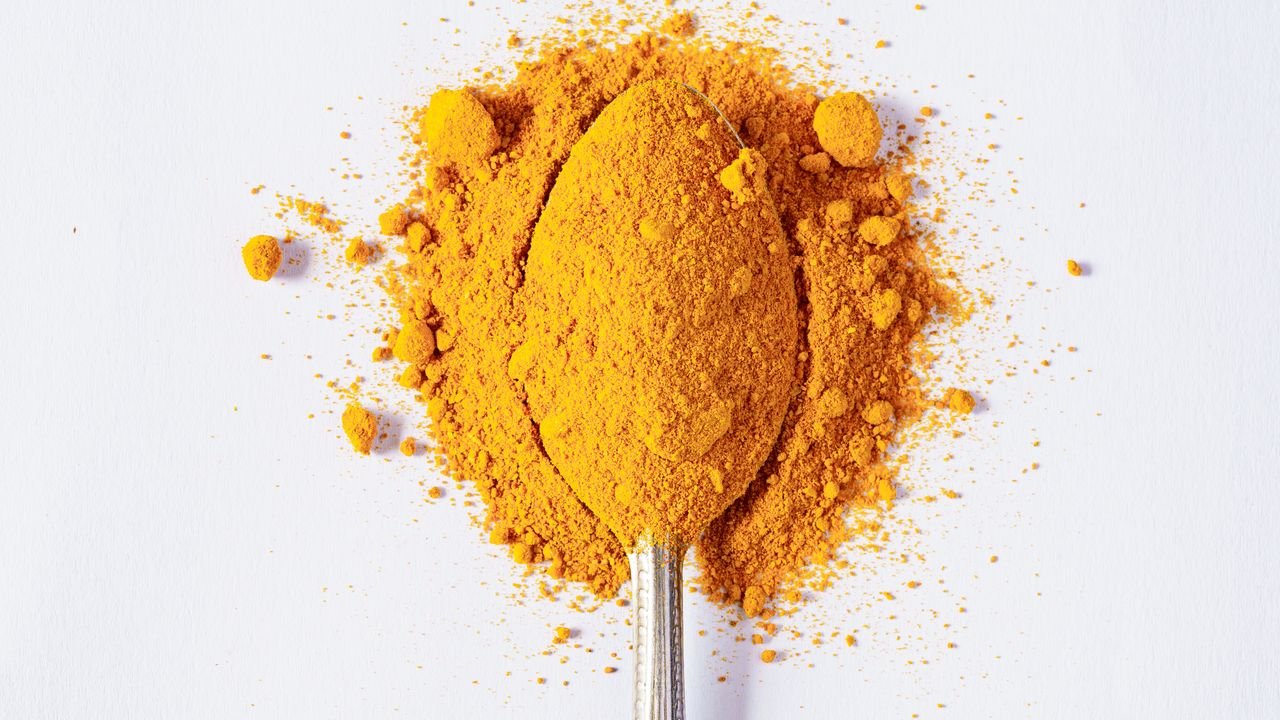
Turmeric is known for its golden color and anti-inflammatory powers. Both come from curcumin, an active compound that supports immunity, soothes the gut, and encourages healthier gut bacteria. To reap the full benefits, make sure your supplement (or the meal you incorporate it into) has black pepper too; when combined with that, curcumin becomes thousands of times more bioavailable.
Ginger
Ginger, whether consumed as a shot or in a meal, is the ultimate gut soother. “It helps with nausea, cramping, bloating, and slow motility of the gut,” explains Dr. Khithani. That makes it especially helpful for sluggish digestion and digestive discomfort.
Cinammon
Made from the bark of tropical trees, cinnamon is rich in antioxidants and may help balance blood sugar levels, support digestion, and lower inflammation.
Cumin
A powerhouse in Indian and Middle Eastern households for generations, cumin helps stimulate the production of digestive enzymes and bile, making it especially beneficial for bloating and IBS-related discomfort. Dr. Khithani notes that it has long been used as a digestive remedy.
Fennel
Long consumed post-meal, fennel contains natural antispasmodic compounds that help calm the digestive tract and reduce gas and bloating. “Fennel seeds have compounds that help with spasms, flatulence, indigestion, and bloating,” Dr. Khithani says.
Saffron
Known as the red gold of the wellness world, saffron is that spice that totally lives up to the hype. According to Dr. Khithani, saffron has been shown to reduce harmful gut bacteria while promoting beneficial bacteria that produce short-chain fatty acids (SCFAs), helping to improve the inflammatory response, the intestinal lining in cases of leaky gut, and gastric motility.
