

In 1935, German philosopher Walter Benjamin warned that mechanical reproduction would erode the “aura” of art. By allowing paintings and photographs to be copied endlessly, he argued, technology detached cultural objects from the unique contexts (time and place) that gave them meaning. Half a century later, Andy Warhol’s factory flipped this theory on its head. By reproducing Campbell’s soup cans and Marilyn Monroe portraits at industrial scale, Warhol collapsed the distinction between commerce and culture, suggesting that mass production and repetition could become a form of value in itself.
Today, generative AI has taken both ideas to their logical conclusion. Image production has become limitless, allowing anyone to create a brand logo, campaign visuals, product photography, or editorial-style imagery in seconds. But if photography challenged the aura of the artwork, AI seems to challenge the aura of the image itself. Where Warhol imagined the factory of images, AI has turned artificial manufacture into the default which has created a crisis of memorability and meaning for brands.
Andy Warhol at his studio The Factory in New York, 1983, where he reimagined image reproduction as an art form. Photo: Brownie Harris/Corbis via Getty Images
“The bar for what counts as memorable has gone up, not down,” says Radek Wójcik, executive creative director at creative agency Made Thought. “Anyone can create beautiful things now, so beauty on its own stops being a differentiator.”
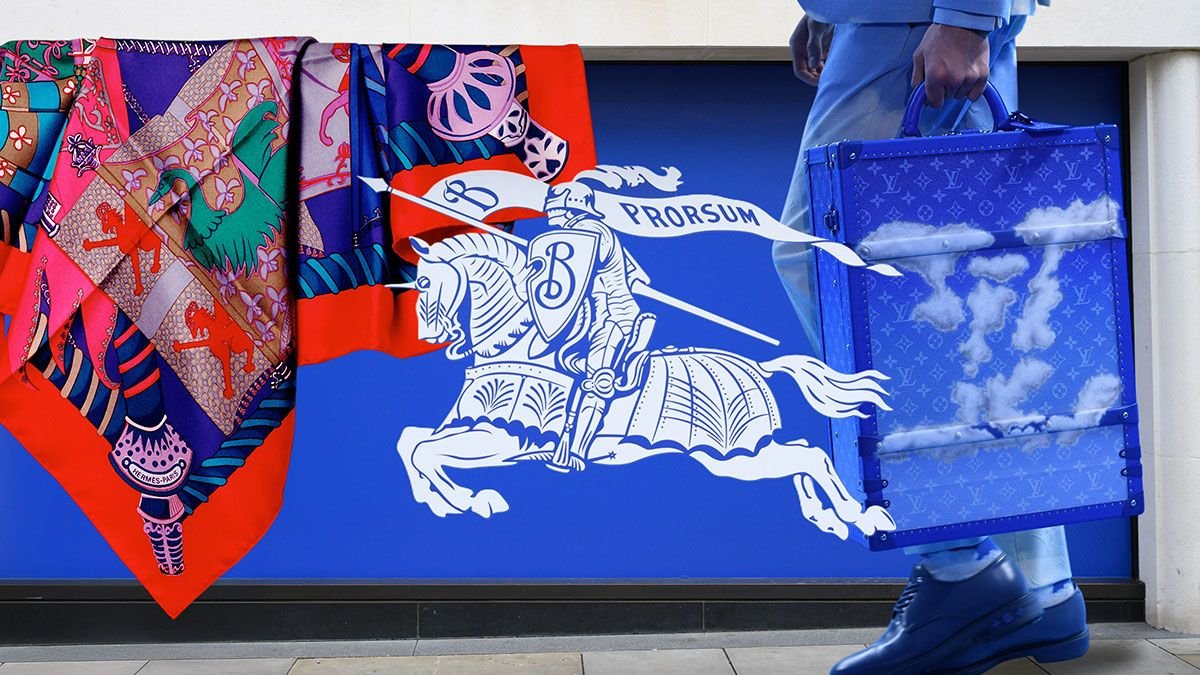
Codifying brand values through distinctive logos, monograms, wordmarks, and campaigns is still crucial — even though AI has dramatically lowered the cost of producing those assets, and most creative teams are using the tech for storyboarding and campaign mock-ups, if not for the images themselves. But what remains difficult to build is everything that happens after that image is created: recognition, trust, memory, and emotional resonance. In this sense, AI has changed the economics of branding: execution has become abundant, but meaning has become scarce.
“The past is the last moat. Everything else is subject to imitation.”
Sean Monahan, co-founder of branding agency 8Ball.
