
Frequently Asked Questions
What is low-porosity hair?
“Low-porosity hair has a tightly sealed cuticle, which makes it difficult for water and moisturizing ingredients to penetrate the hair shaft,” explains Michelle. As a result, people with low-porosity hair often struggle to maintain hydration, leading to dryness and frizz. Additionally, the lack of absorption can cause products to sit on the surface, resulting in a heavy, greasy feeling, and potentially buildup over time. Any hair type or texture can be low porosity.
What are the signs of low-porosity hair?
One of the top signs is hair that’s slow to wet and slow to dry. “If it takes a minute for your hair to actually get wet—and then it takes forever to dry once you’re out of the shower—that’s your answer,” says Nolan.
Speaking of moisturizing ingredients: You may also find your hair products taking up residency on top of your strands instead of soaking into them, “leaving the hair feeling coated or heavy,” says Michelle. “While low-porosity hair can often look shiny, it may still feel dry because moisture isn’t easily getting inside the strand.”
What ingredients are good for low-porosity hair?
According to Jose, the best ingredients for low-porosity hair are humectants (such as hyaluronic acid and glycerin) and lightweight oils, like sweet almond or argan oils. It’s essential for low-porosity hair products to include ingredients that “are easily absorbed into the cuticle,” she explains.
What ingredients should you avoid if you have low-porosity hair?
“Heavy butters and oils are usually the first thing I have clients cut back on, such as shea butter and coconut oil,” says Nolan. “They typically just coat the strand instead of getting absorbed,” leading to buildup.
Michelle adds to that list mineral oil and petrolatum, excessive waxes, and “high concentrations of heavy oils such as castor oil.” While they “aren’t inherently bad… on low-porosity hair they can build up quickly and make the hair feel greasy, stiff, or weighed down before it ever feels moisturized,” she explains.
Meet the experts
How we test and review products
We always enlist a range of testers for our makeup vertical, but hair-care products and tools are another story. While there are certainly products that can be used across different hair textures, lengths, curl patterns, thicknesses, colors (natural and unnatural), and needs, hair products are often created with specific consumers in mind. Many are created in order to address a concern (dandruff, breakage, brittleness) or to work most effectively for a specific hair type (4C curls, wavy hair, gray hair). You wouldn’t want to pick up a purple shampoo that’s only been reviewed by someone with, say, auburn hair, or a diffuser that’s never been tested by anyone with curls—right?
For our review of the best products for low-porosity hair, we enlisted the help of multiple editors, writers, contributors, and hair stylists—many of whom have hair that has difficulty absorbing products. Testers considered performance across four primary categories: efficacy, texture and experience, fragrance, and packaging. For more on what’s involved in our reporting, check out our complete reviews process and methodology page.
Our staff and testers
A beauty product is a personal purchase. You might be searching for a face cream to address persistent dryness or a new nail product to add to your Sunday self-care routine, or you may simply be browsing for the latest launches to hit the hair market. No matter what you seek or what your individual needs and concerns are, Allure wants to ensure that you love anything we recommend. We believe that having a diverse team of writers and editors—in addition to the wide range of outside testers and industry experts we regularly call upon—is essential to reaching that goal.
After all, can we really say a skin-care product is the “best” for people over 50 if the only testers we’ve solicited opinions from are folks who have yet to hit 30? Can we honestly deem a high-end diffuser worthy of your hard-earned cash if it’s never been tested on curls? We’re proud that our staff spans a wide range of ages, skin tones, hair textures, genders, and backgrounds, which means that we are able to fairly assess any beauty product that comes into the beauty closet.
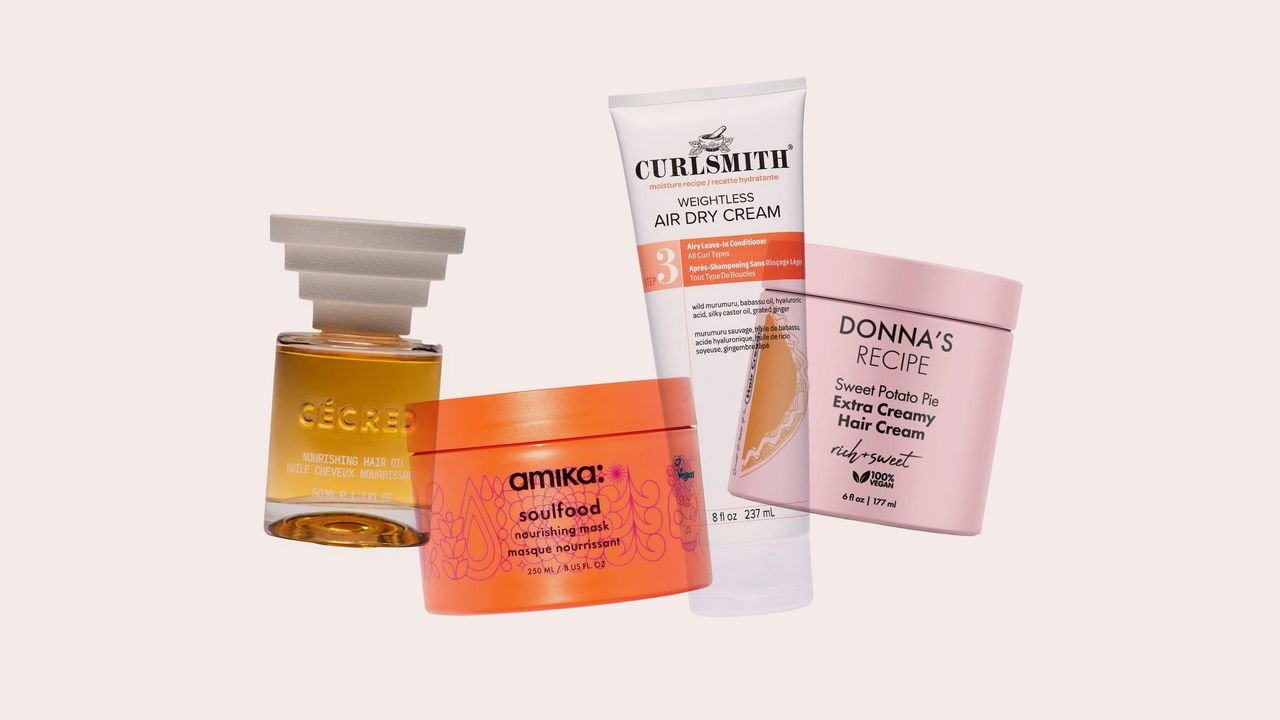
We’re here to help you shop for products that’ll give your strands a silky second life:
