

Frequently asked questions
Dr. Nazarian shares that typically, crepey skin occurs when skin has lost much of its collagen and elastin. “This makes it wrinkled and thin, similar to crepe paper—it becomes super fragile,” she says. Crepey skin can tear more easily with mild injury and often bruises very easily, too. “It can happen from natural loss of collagen due to aging, or environmental loss of collagen from exposure to ultraviolet radiation and external factors,” she adds.
What is the most effective product or ingredient for crepey skin?
When it comes to treatment, topical retinoids are the gold standard, according to Dr. Yadav. Prescription options have been shown to boost collagen production, thicken the skin, and smooth out texture. For those who want something gentler, over-the-counter retinol is a milder but effective alternative. Other ingredients that work to treat crepey skin include vitamin C (for brightening), centella asiatica (also known as cica), collagen, lactic acid, or mandelic acid (which gently exfoliates). Caffeine might also be beneficial for temporary effects in tightening skin.
Important: don’t mix retinol with AHAs (alpha-hydroxy acids) or BHAs (beta-hydroxy acids) as this can cause irritation and redness. And don’t forget to use sun protection (SPF 30 or higher) after any of these treatments to protect skin.
“Some newer studies suggest that pairing ingredients like collagen with vitamin C can further enhance results,” says Dr. Yadav. ”Hyaluronic acid, especially when combined with amino acids or antioxidants, leaves skin hydrated and plumper. And gentle actives like mandelic acid or centella asiatica can improve skin elasticity and reduce crepiness, even for those with more sensitive skin.”
Of course, daily sunscreen, whether mineral or chemical, is key to preventing premature signs of aging, so be sure to apply year-round.
Can crepey skin be reversed?
Crepey skin can actually be improved, and even partly reversed, with consistent treatment. Using topical treatments at home over time helps stimulate collagen and strengthen the connection between the upper and lower layers of the skin, according to Dr. Yadav. In-office treatments that boost collagen production—such as microneedling, radiofrequency therapy (like Morpheus8), fractional laser resurfacing (like Fraxel), and ultrasound-based treatments (like Ultherapy)—can enhance these results. Studies show that both approaches can lead to real structural improvements under the microscope, with new collagen forming and the skin’s architecture becoming stronger and more resilient.
What are the best nonsurgical treatments for crepey arms and legs?
The best nonsurgical treatments for crepey skin on the arms and legs focus on rebuilding collagen and strengthening the skin cells from within. “Ultrasound-based skin-tightening treatment options like Ultherapy use focused energy to firm the deeper layers of the skin, while microneedling combined with radiofrequency delivers controlled heat beneath the surface to improve both tone and texture,” explains Dr. Yadav. “Together, these approaches can noticeably smooth and strengthen crepey skin without surgery.” For an at-home approach, you can also incorporate red light therapy into your routine to help boost collagen production and soften lines.
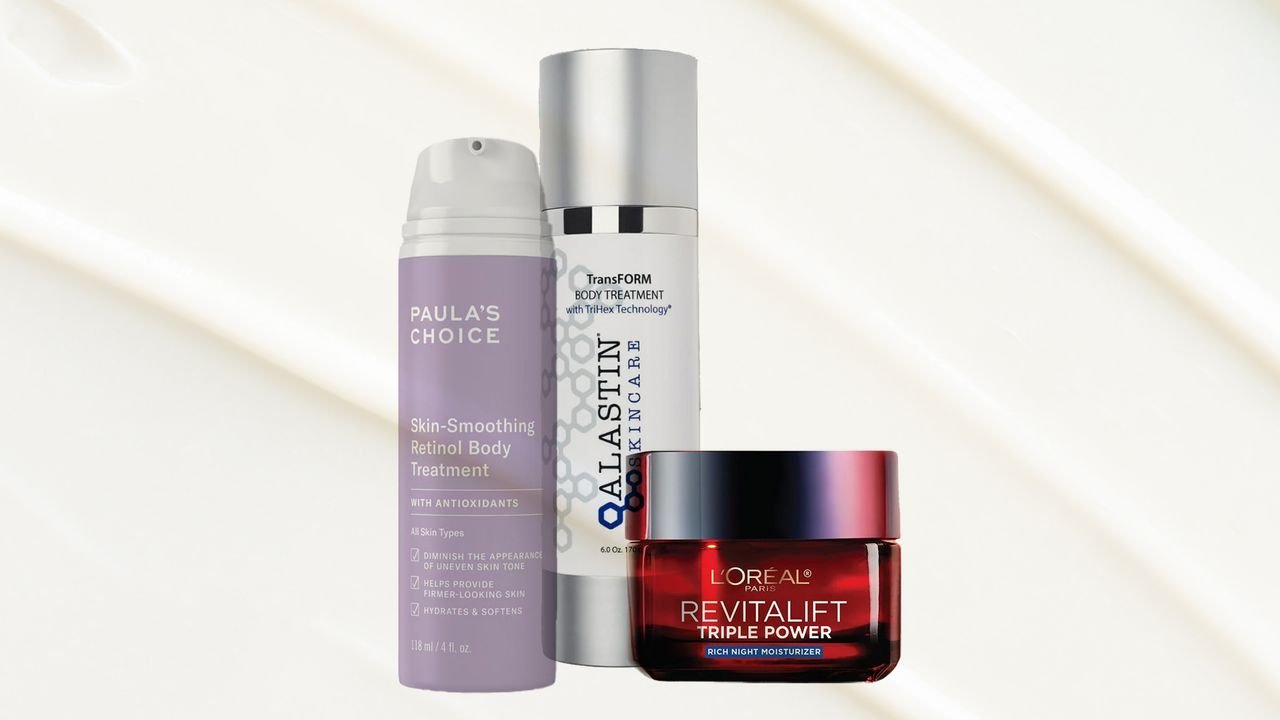
To find the best treatments for crepey skin, we recruited a diverse group of testers ranging in age from their 30s to their 60s and asked them to try dermatologist-recommended products for several weeks. Each person applied their assigned lotion or cream to areas where crepiness commonly shows up (think upper arms, thighs, chest, and hands), tracking how their skin looked and felt over time.
We focused on formulas packed with derm-approved ingredients like retinol, hyaluronic acid, peptides, vitamin C, and rich hydrators like ceramides and emollients. Texture was important too. We prioritized products that felt silky, absorbed quickly, and didn’t leave behind any stickiness or residue. The top performers delivered real results: smoother, firmer skin, fewer fine lines, and a visible reduction in crepiness. The products that stood out weren’t just effective—they were enjoyable enough to use daily, which is key to seeing real change.
