
Frequently asked questions
Is it healthy to sleep with a sleep mask?
There’s no medical reason not to wear a mask to bed, Dr. Colon says. Just make sure it still feels comfortable after hours of wear, he says—otherwise, it could end up disrupting your sleep more than helping it. And remember to wash it regularly and replace it if it starts to lose efficacy (say, if its strap gets stretched out or the inner padding breaks down), Dr. Breus notes.
What is the best type of eye mask for sleeping?
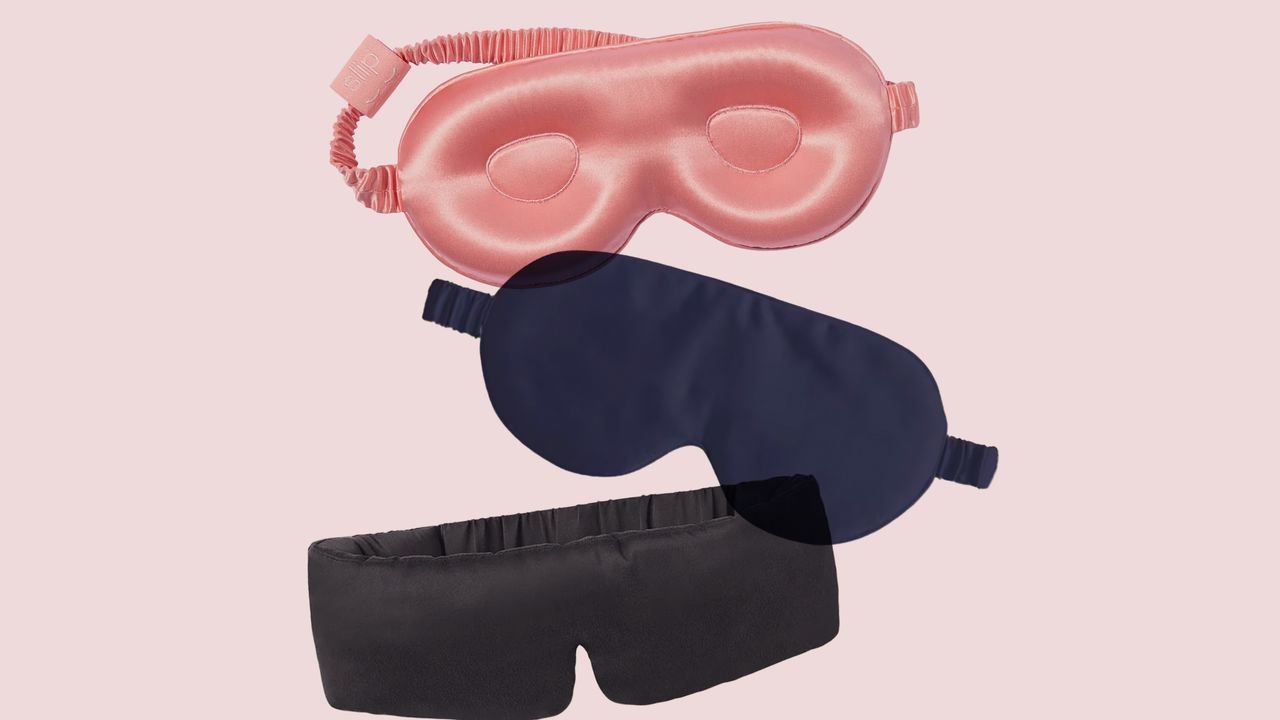
The best eye mask is the one that fits well (it shouldn’t slip or slide around on your head) and feels comfiest for you, according to Dr. Colon. But there are some general features you can look out for to separate the meh options from the exceptional. For one, the more coverage the mask provides, the better, Dr. Breus says. Blocking out as much light and interference as possible will help you fall asleep and stay asleep more easily. For another, molded eye cups can reduce uncomfortable pressure and enhance the mask’s fit.
How do I choose the right sleep mask?
Make sure the mask works with your sleeping position. Side sleepers, for example, may want to avoid designs with too much bulk around the sides, since they can put pressure on the temples. Those featuring adjustable straps can help the mask stay put if you tend to toss and turn. And if you run hot, Dr. Breus recommends looking for options made with cooling, breathable materials like silk. And remember that you may need to try out a couple of different masks before you find a fit and feel that works for you, but it’ll be worth it when you find the one that genuinely improves your shut-eye.
Meet the experts
- Michael Breus, PhD, a California-based clinical psychologist and clinical sleep specialist affiliated with Sleep Foundation
- Jose Colon, MD, an adult and pediatric sleep medicine physician based in Florida
Our staff and testers
A beauty product is a personal purchase. You might be searching for a face cream to address persistent dryness or a new nail product to add to your Sunday self-care routine; you may simply be browsing around for the latest launches to hit the hair market. No matter what you seek or your individual needs and concerns, Allure wants to ensure that you love anything we recommend in our stories. We believe that having a diverse team of writers and editors—in addition to the wide range of outside testers and industry experts we regularly call upon—is essential to reaching that goal.
After all, can we really say a skin-care product is the “best” for people over 50 if the only testers we’ve solicited opinions from folks who have yet to hit 30? Can we honestly deem a high-end diffuser worthy of your hard-earned cash if it’s never been tested on curls? We’re proud that our staff spans a wide range of ages, skin tones, hair textures, genders, and backgrounds, which means that we are able to fairly assess any beauty product that comes into the beauty closet.
