

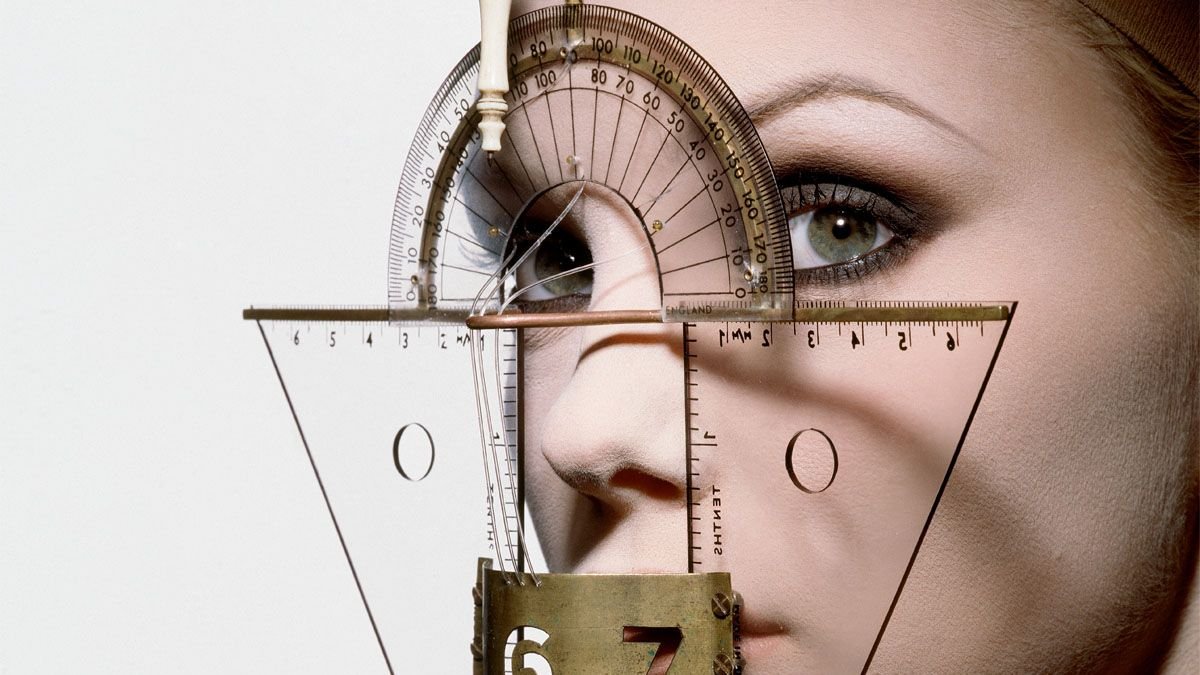
Among the limitations patients may not appreciate, Dr. Kumar says that AI-generated simulations cannot account for individual anatomy — from skin thickness and cartilage strength to bone structure — or how tissue will scar and heal post-surgery. Nor can a static, often front-facing, image capture how a face looks from different angles or in motion.
Experts say it’s on each doctor to understand treatment limits, and communicate the difference between reality and what the AI may visualize. “I have to spend a lot of time with patients telling them that the difference of a millimeter, for example, on the nose is profound,” says Dr. Wong. “It’s very hard to do with the precision that pushing a button on your phone will render with AI, and there are risk and reward curves.”
At the same time, a client bringing an AI-generated image to a consultation should not be dismissed, Joshi says. “It can be an excellent starting point for a meaningful conversation. My first question would be: What exactly is it about this image that you like?” he says. Likewise, when Joshi uses AI simulations in his practice to visualize what he can do, he also emphasizes to clients it’s a “communication tool”, not an exact promise of the end result.
Joshi and other doctors are calling for additional training to help surgeons understand how AI alters facial images, its anatomical limitations and its potential psychological effects on patients. He also wants clearer industry guidelines on how clinics communicate the scientific validity of AI-generated assessments and recommendations.
“There are fundamental expectations around patient safety, informed consent, appropriate treatment, psychological wellbeing and honest communication. However, I believe we need clearer guidance on how to apply these principles to emerging AI technologies,” Joshi says.
Hyper-homogenization
Beyond unrealistic expectations, experts warn of a more pervasive consequence: as AI increasingly shapes how we assess and alter our faces, it could accelerate the homogenization of beauty standards, pushing us toward an ever-narrower ideal of what it means to be attractive.
