

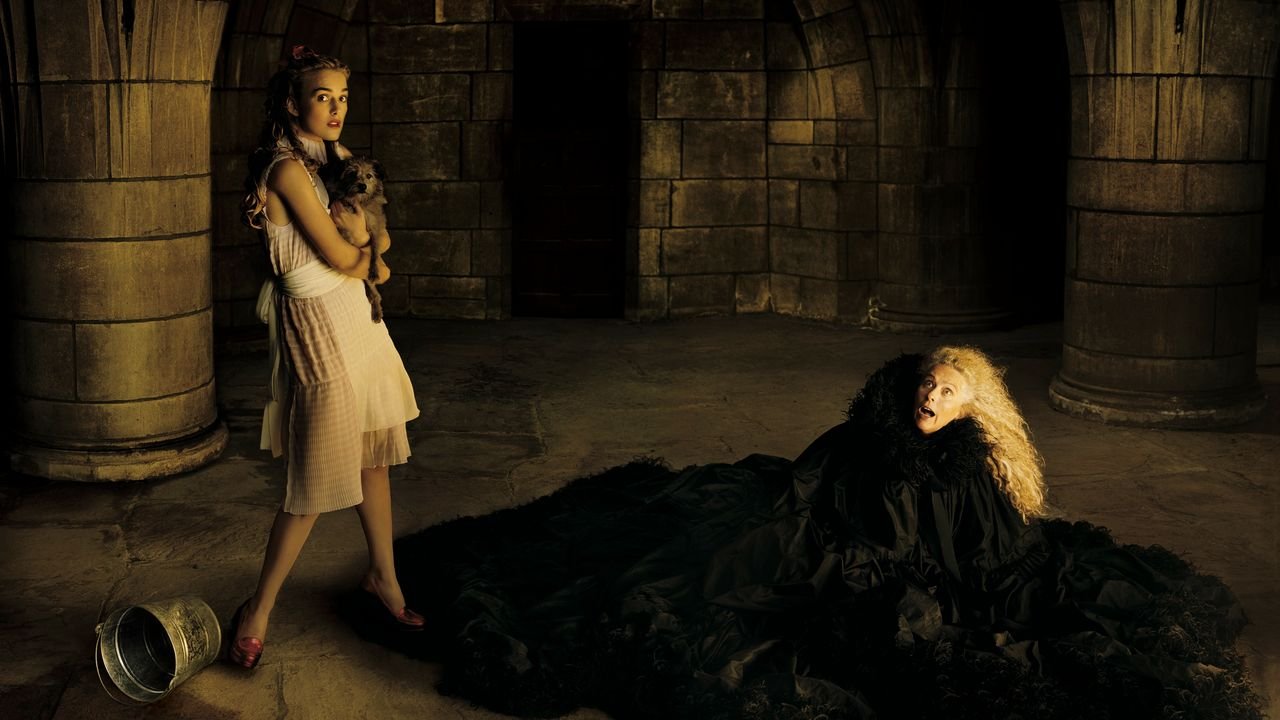
Being a witch is not just for Halloween. There is a genuine resurgence of witchcraft afoot, especially among Gen Z, who are embracing ritualistic magic as a lifestyle—and one with far more positive associations than the historically stigmatized archetype.
Perhaps in a world that feels like it’s falling apart at the seams—and for those not part of an organized religion, who now make up roughly a quarter of the global population, according to Pew—it is tempting to seek sanctuary in magical forces. Plus, in the age of social media and AI agents plugged into every aspect of your life, there’s something alluring about a bit of mystery; the glow of candles over screen time.
There’s a deeper urge driving the witchcraft revival too: reclaiming power in a world that continues to diminish women—their voices, bodies, and rights. As the founders of the new feminist publication Witch Magazine say, “witch” is a term “historically weaponized to silence and oppress those who challenge the status quo.”
But even in a more light-touch way, the inspiration of witchcraft has taken hold of popular culture: Practical Magic 2 arrived on screens in September, the hit new TV series Yaga reinterprets a Slavic folktale of a witch, and a reboot of The Blair Witch Project is slated for next year. Meanwhile, fashions this fall look distinctly witchy, interest in tarot is on the rise, and Etsy witches are a mainstream phenomenon, offering spell-casting services on the online marketplace to summon up perfect weddings, love, or protection.
But what does the witchcore trend mean when it comes to decor? While eclectic, cozy, and fall-friendly interiors get labeled “whimsigoth”—after the TikTok-trending, cutesy punk-goth fashion and beauty style—witchcore is about being inspired by the attitudes and associations of witchcraft. Think magic, pagan rituals, tarot, astrology, folklore, ancient craft, and gothic drama. This isn’t about being cute.
Translated to the home, that ultimately means: be weird, but be serious about being weird. Embrace individuality, strangeness and the unknown. And welcome in a hint of the medieval to create your very own gothic castle.
With its roots in the Middle Ages, a four-poster bed is a good place to start—and the one in interior designer Hollie Bowden’s project in Winchester, England is truly spellbinding. In a stripped-back guest bedroom with wooden floors, Bowden selected a high-drama, dark green bed designed in the 1980s by American architect John Hejduk. Each of the bed’s four posts is crowned with a castle-like turret and metal starburst spire. “I love having something unexpected that shifts the whole feeling of a room,” says Bowden. “Something a little gothic, punky, and slightly strange.”
