

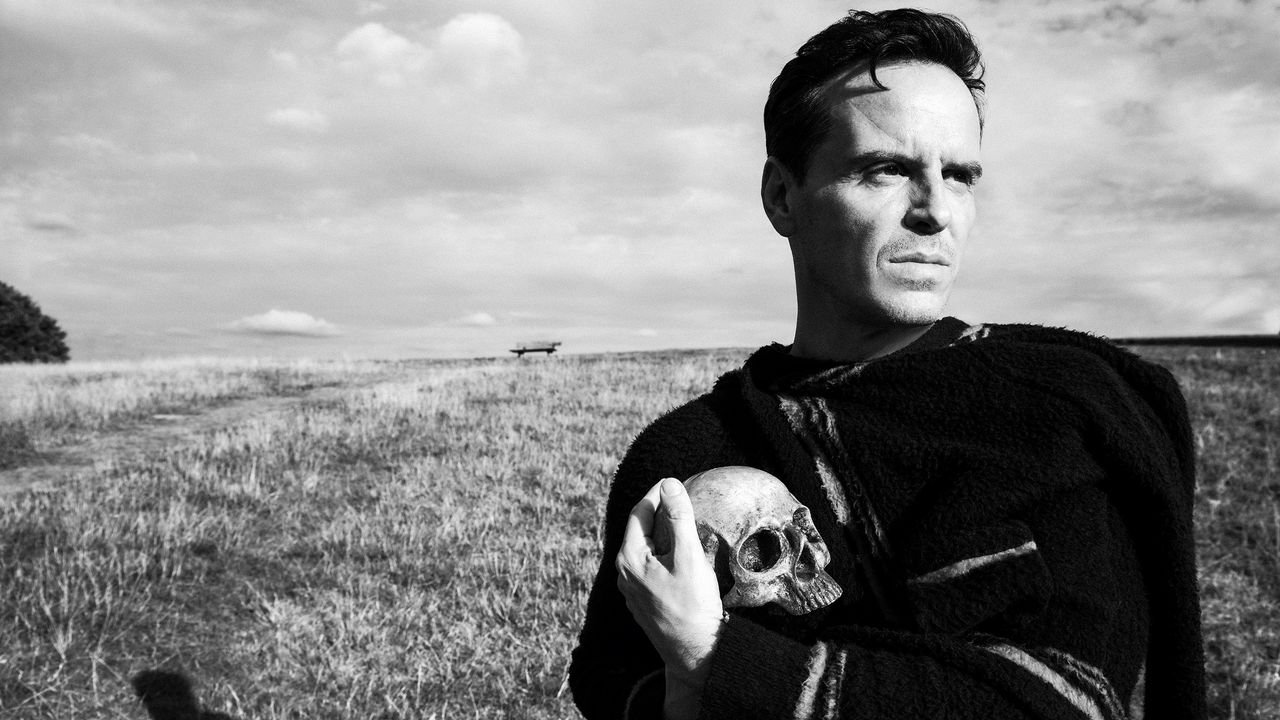
In the fourth scene of the fourth act of Hamlet, our melancholy hero stands on a desolate Danish plain watching a Norwegian army march into Poland on a trivial errand. Turning to the audience, in the last of his soliloquies, he imagines “the imminent death of twenty thousand men that for a fantasy and trick of fame go to their graves like beds.”
How must it have felt for Ian Charleson, the sandy-haired Scottish actor who rose to international stardom in Chariots of Fire but was dying of AIDS by the time he played his own legendary Hamlet at London’s National Theatre in 1989, to utter those lines? A silent, unjust war raged around him, as young men all over London were dying in isolation, their sheets burned as soon as their bodies were carted out, or, if they were lucky, driven home to take their final breaths in their childhood beds, eliciting whispers from the neighbors.
There is no way to know whether Hamlet, a role steeped in questions about life and death, was ever before played by a man who understood that his own death was so close. Those extraordinary circumstances are what animate Elsinore, the new film directed by Simon Stone that revisits and rejoices in Charleson’s final months. Many great actors have described their art as a means of escape—from the humdrum of reality, from the cage of the self. Andrew Scott, the Irish actor who is playing Charleson in Elsinore to a degree of fanfare approaching Oscar preordainment, does not share this view. Nor, he suspects, did Ian Charleson.
“The more I act,” Scott tells me from the quietest recess of a West Hollywood hotel restaurant on a 100-degree October day, “the more I see it not as pretending to be someone else but as exploring different parts of myself. Who would I be if I was born in this era or in this body or in this set of circumstances? A great actor once said that acting is an escape from acting. I think there’s a lot of sense in that.”
