

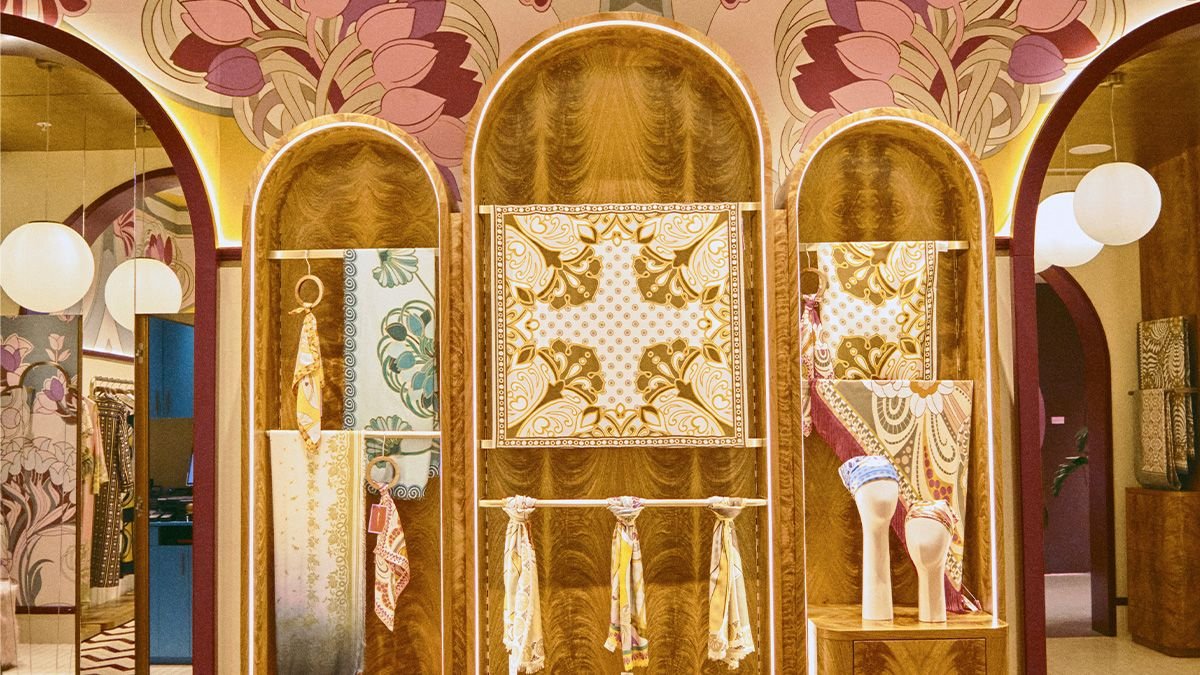
Beymen’s chief merchandising officer, Ahmet Öcal, explains that the company’s buying strategy is rooted in a deep understanding of their clients’ lifestyles. “We serve a diverse and increasingly sophisticated customer base through Beymen’s extensive brand curation and personalized service approach, ranging from established luxury clients who value heritage, craftsmanship and timeless elegance, to younger, fashion-forward consumers who are looking for newness, individuality and self-expression,” he explains, noting that the core consumer base is local, while 15% are international tourists.
“Occasion wear, elevated casualwear, luxury handbags, jewelry, cosmetics, and beauty are particularly relevant categories for our market,” says Öcal. “Resort wear is another important area, reflecting the lifestyle of our customers and their connection to destinations like Bodrum.”
“When it comes to clienteling, I believe the emphasis should be on genuinely understanding the customer: their personal style, preferences and shopping habits,” says Zeydanlı. “Curated product selections, early access to new collections, private shopping appointments, and invitations to exclusive brand experiences all play an important role.” This chimes with the kind of customer engagement strategies Beymen employs, maintaining close and enduring relations with top spenders, many of whom have shopped there for years.
Across the board, luxury players cite millennials as a strong consumer in the Turkish retail landscape, particularly those within the 30 to 40 bracket. Beymen’s target consumer is roughly 35-plus. That said, players should ensure they speak to younger generations. For Zeydanlı, Gen Z might not have the strongest purchasing power yet, but they remain a key consumer group shaping the future of luxury. “Gen X, meanwhile, remains an important segment, particularly among high-net-worth consumers, thanks to more established luxury shopping habits and stronger brand loyalty,” she says.
Place your bets
The city of Istanbul is relatively young in the global luxury retail market, despite its strong manufacturing heritage. “However, on the design side, we are lacking certain components that would make our designers global names and successful on a global scale,” says Mayhoola’s Rachid. “The visibility is not there.”
