

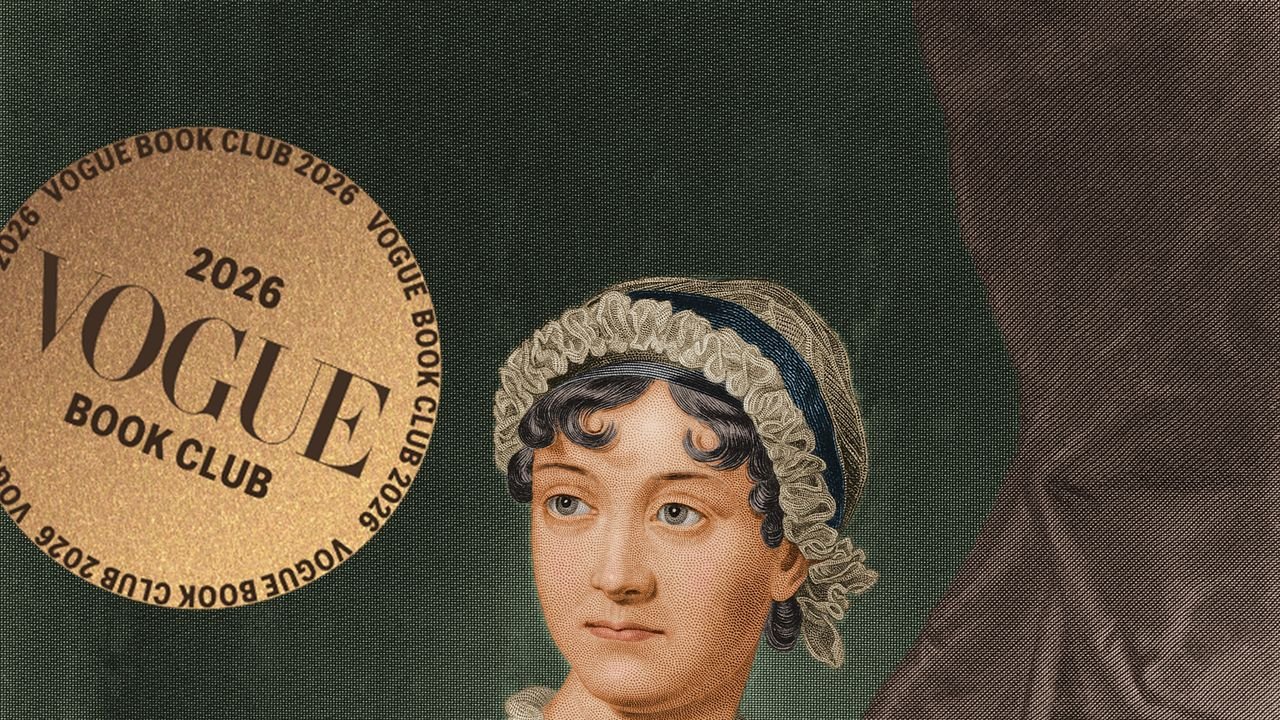
Jane Austen never wrote her own memoirs; when she died in 1817, at 41, two of her six major novels hadn’t even been published yet. But in 1870, her nephew James Edward Austen-Leigh came out with A Memoir of Jane Austen, an account of his aunt’s life and work. Literary scholars have since described the book as highly sanitized, based largely on the family’s adoring memories, and shaped by the social ideals of Victorian England. Still, the biography offers a nearly contemporary portrait of one of Western literature’s grand dames, as well as some useful context around the publication of her novels, beginning with Sense and Sensibility.
Herewith, what Austen-Leigh had to say about Austen’s first book:
Though Sense & Sensibility was Austen’s first published work, it wasn’t her first completed one
The latter distinction went to Pride and Prejudice, which she began “in October 1796, before she was twenty-one years old, and completed it in about ten months, in August 1797.” (At the time, its working title was First Impressions.) But Austen developed the story for Sense and Sensibility first. Per Austen-Leigh: “‘Sense and Sensibility’ was begun, in its present form, […] in November 1797 but something similar in story and character had been written earlier under the title of ‘Elinor and Marianne’; and if, as is probable, a good deal of this earlier production was retained, it must form the earliest specimen of her writing that has been given to the world.” Sense & Sensibility would finally be published in 1811, followed by Pride and Prejudice in early 1813.
She was paid very little for the manuscript, but (supposedly) didn’t mind
After noting that the profits for the four books published before Austen’s death—Sense and Sensibility, Pride and Prejudice, Mansfield Park, and Emma—“had not at that time amounted to seven hundred pounds,” Austen-Leigh claims that Austen wasn’t particularly concerned about how much her books brought in. “Money, though acceptable, was not necessary for the moderate expenses of her quiet home,” he writes. “Above all, she was blessed with a cheerful contented disposition, and an humble mind; and so lowly did she esteem her own claims, that when she received 150l. [£150, about $21,000 today] from the sale of ‘Sense and Sensibility,’ she considered it a prodigious recompense for that which had cost her nothing.” Historians have since disputed this, finding evidence in her letters to Cassandra that she was “hyperconscious” of money.
Contrary to contemporary belief, Marianne and Elinor bore little resemblance to Jane and her own elder sister
Austen had six brothers—James, George, Edward, Henry, Francis, and Charles—and one sister, Cassandra, “about three years her senior,” whom she adored. According to Austen-Leigh, the girls’ bond was forged in childhood—“when the elder was sent to the school of a Mrs. Latournelle, in the Forbury at Reading, the younger went with her, not because she was thought old enough to profit much by the instruction there imparted, but because she would have been miserable without her sister”—and remained into adulthood.
Like the Austen sisters, Elinor and Marianne are about three years apart, and Cassandra, per Austen-Leigh, had certain Elinor-ish qualities: “Cassandra’s was the colder and calmer disposition; she was always prudent and well judging, but with less outward demonstration of feeling and less sunniness of temper than Jane possessed.” Still, he insists that Jane and Cassandra weren’t a perfect match to the Misses Dashwood:
“When ‘Sense and Sensibility’ came out, some persons, who knew the family slightly, surmised that the two elder Miss Dashwoods were intended by the author for her sister and herself; but this could not be the case. Cassandra’s character might indeed represent the ‘sense’ of Elinor, but Jane’s had little in common with the ‘sensibility’ of Marianne. The young woman who, before the age of twenty, could so clearly discern the failings of Marianne Dashwood, could hardly have been subject to them herself.” That, at least, is a plausible point.
