

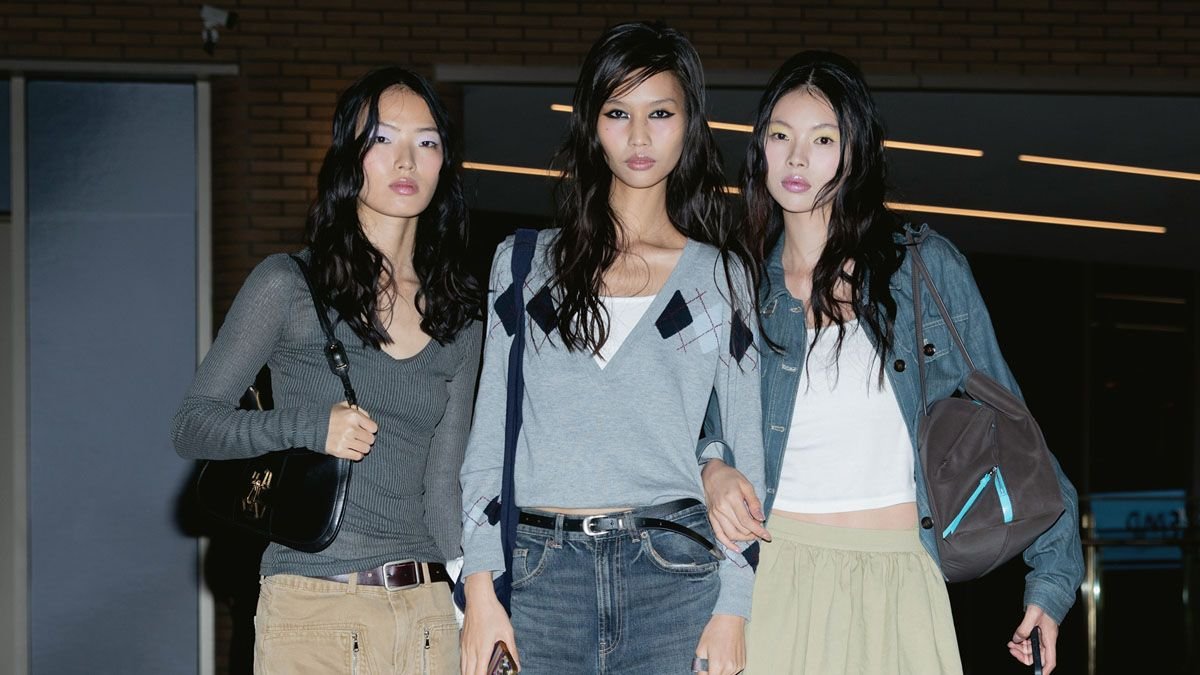
This is particularly relevant in China, where sophisticated manufacturing capabilities and greater access to domestic and international alternatives have broadened consumers’ understanding of quality and design. With more points of comparison, shoppers are increasingly confident in making their own judgments about what deserves a premium today, rather than relying on established brand reputations.
“What does this product mean to me? Does it reflect my own taste and sense of style, rather than simply the status of the brand?” Bozec asks, describing the questions he believes younger consumers are bringing to luxury purchases.
Simon-Kucher’s 2025 Luxury Consumer Study provides some evidence of this diversity in consumer motivations. Some 45% of Chinese respondents were classified as “Fashion Forward Icons”, who are more experimental with their purchases, compared with 15% in Europe and 11% in the US. Another 25% were identified as “Quiet Luxury Enthusiasts”, who prioritize craftsmanship and timelessness, while just 10% fell primarily into the “Status Shoppers” category.
The findings point to a market where consumers are seeking different forms of luxury value, from creative originality and personal style to exceptional craftsmanship and lasting quality.
What a luxury recovery will really require
China’s luxury market is not short of consumers who can afford expensive products. Nor do the rise of domestic competitors and the growing appeal of experiences suggest that demand for luxury goods is disappearing. What is less certain is whether the strategies that fueled the industry’s previous expansion can deliver the same returns.
Simon-Kucher’s Li expects China’s luxury market to recover gradually, but warns that “the previous growth model built on continuous price increases and an expanding customer base is unlikely to return.”
“Ultimately, restoring demand in China requires shifting from price-led premiumization to value-led differentiation,” he adds.
That distinction carries different implications across the industry. For some houses, it will require renewed emphasis on product quality, creativity and craftsmanship. For others, the priority may be improving customer relationships or creating experiences that justify a premium beyond the product itself.
Bozec offers a broader perspective on what fashion should contribute to consumers’ lives.
It is a different proposition from selling consumers a ready-made identity through brand recognition and social status. Brands should place greater emphasis on how the product or experience improves an individual’s life. “For me, fashion is one of the tools an individual has to express himself, and even more to discover himself,” Bozec says.
Economic confidence will remain important to any sustained recovery in China’s luxury market. But an improvement in sales should not be mistaken for a restoration of the industry’s previous relationship with Chinese consumers.
The generation that helped build China’s luxury boom has accumulated not only wealth, but experience, knowledge, and alternatives. Luxury houses still have the opportunity to shape their aspirations, but they can no longer take that influence for granted.
