
Frequently asked questions
What are the benefits of using Vitamin C?
“Vitamin C (or ascorbic acid) is a powerful antioxidant that is proven to not only protect against skin damage but also reverse some of the existing damage that has already been caused by oxidative stress—the process that damages cells, proteins, and DNA, resulting in premature skin aging, loss of collagen, pigmentation, and the formation of lines and wrinkles,” says Dr. Hall. Some of its many benefits also include “its ability to brighten skin, even out hyperpigmentation, and stimulate collagen production,” says Cho.
Korean vitamin C takes that concept and advances it by combining purity and potency without irritation. According to Cho, Korean vitamin C takes “L-ascorbic (pure vitamin C) acid, which is more effective but harder to stabilize and protect it against degradation from exposure to light and oxygen.”
“In terms of formulation, Korean vitamin C serums [are generally] lighter and more hydrating,” says Dr. Hall. K-beauty places its biggest focus on the skin barrier—restoring, maintaining, and repairing it—so formulations tend to be gentler. This is achieved through the use of milder, more stable forms of vitamin C.”
Does Korean vitamin C work on hyperpigmentation?
“Yes, Korean vitamin C serums can help brighten hyperpigmentation and fade dark spots to even out skin tone, particularly for mild-to-moderate discoloration,” says Dr. Yoo, adding that because many Korean formulas take a gentler approach, using lower concentrations of L-ascorbic acid or vitamin C derivatives, results may come more gradually. “You can expect a gentler, slower trajectory than you might get from a 15 to 20% L-ascorbic acid serum, but consistent use alongside daily sunscreen can still lead to visible improvement within eight to 12 weeks.” For more stubborn concerns like melasma or deeper post-inflammatory hyperpigmentation, Dr. Yoo recommends pairing vitamin C with ingredients such as tranexamic acid, azelaic acid, retinol, or a retinoid.
How should I use a Korean vitamin C serum?
“Vitamin C is best used in the morning because of its antioxidant properties, which help protect the skin from environmental stressors like UV rays and pollution,” says Cho. As far as application goes, Dr. Hall recommends using it on freshly cleansed skin or after applying toner.
“Allow a few minutes for it to soak in before applying your other skin care ingredients. Once absorbed, vitamin C has been shown to remain active on the skin between 8 and 24 hours post-application.”
Is there a difference between ampoules and serums in Korean skin care?
“Ampoules (sometimes referred to as boosters) are more concentrated versions of serums: i.e. the amount of active ingredient in the product will be higher. While most serums are designed to be used once (if not twice) a day, ampoules are designed to be used once or twice a week, which is why the packaging is usually smaller,” says Dr. Hall.
Cho also points out that “some Korean brands blur the lines between the two,” so it’s important to pay attention to how the product is labeled and take note of the directions in order to avoid overwhelming your skin.
Can you use Korean vitamin C while pregnant?
Vitamin C is generally considered pregnancy-friendly when used topically. “Unlike ingredients like prescription retinoids, it isn’t known to carry the same concerns during pregnancy. Still, every pregnancy is different, so I advise discussing your skin-care routine with your OB-GYN, particularly if you’re using multiple active ingredients or prescription products,” says Dr. Wu.
What should you use if vitamin C irritates your skin?
If vitamin C is causing irritation, Dr. Wu recommends first identifying why the skin barrier is struggling rather than simply swapping in another ingredient. Depending on your concern, alternatives may include niacinamide, azelaic acid, licorice root extract, arbutin, or tranexamic acid for discoloration. “The right choice depends on whether we’re treating pigment, inflammation, redness, or supporting the skin barrier,” she says.
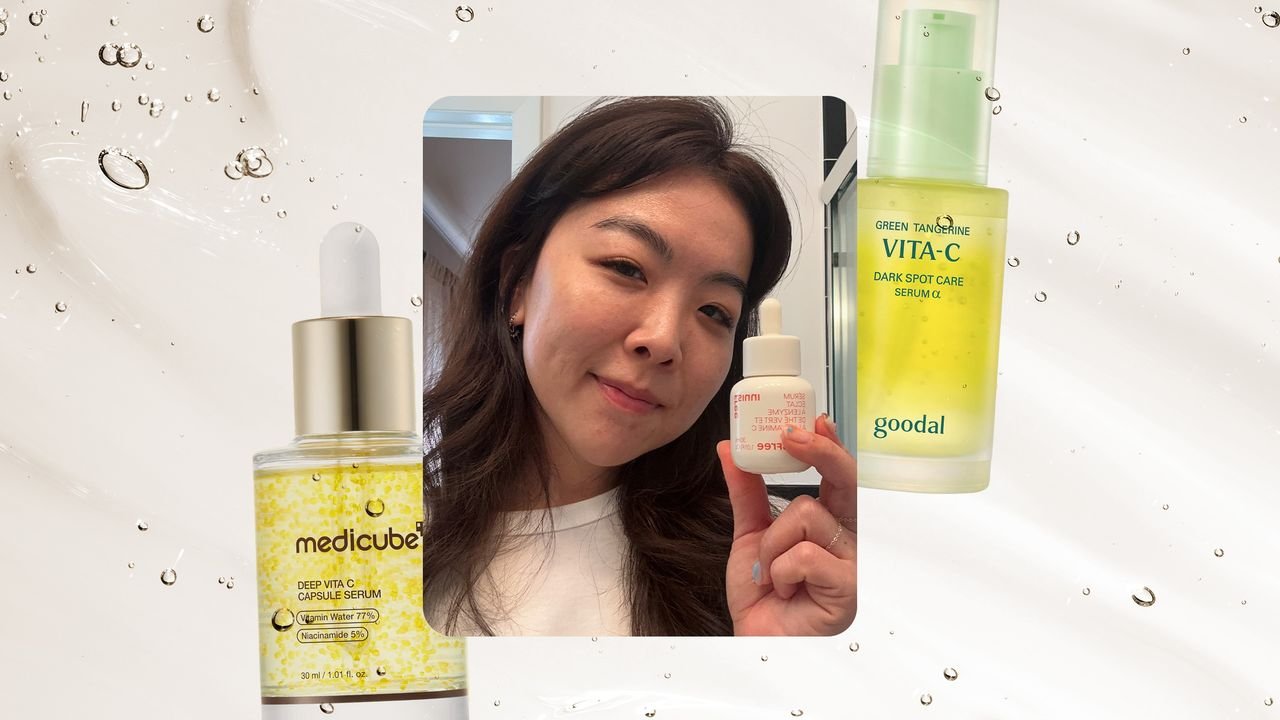
When evaluating the best Korean vitamin C serums, we consulted dermatologists and K-beauty experts about the benefits and formulations of each product, then put every pick to the test ourselves. We assessed each serum’s texture and finish, how well it layered with other skin-care products, whether it caused any irritation, and how effectively it improved the appearance of dullness, uneven tone, and dark spots over time. These factors helped us determine which formulas were worth recommending.
- Christine Hall, MD, K-beauty expert and general practitioner in medical aesthetics
- Charlotte Cho, a licensed aesthetician based in New York City and cofounder of the Then I Met You skin care brand and Soko Glam
- Jane Yoo, MD, MPP, board-certified dermatologist in New York and a clinical assistant professor at the Icahn School of Medicine at Mount Sinai.
- Jessica Wu, MD, Harvard-trained, board-certified dermatologist in Los Angeles.
