

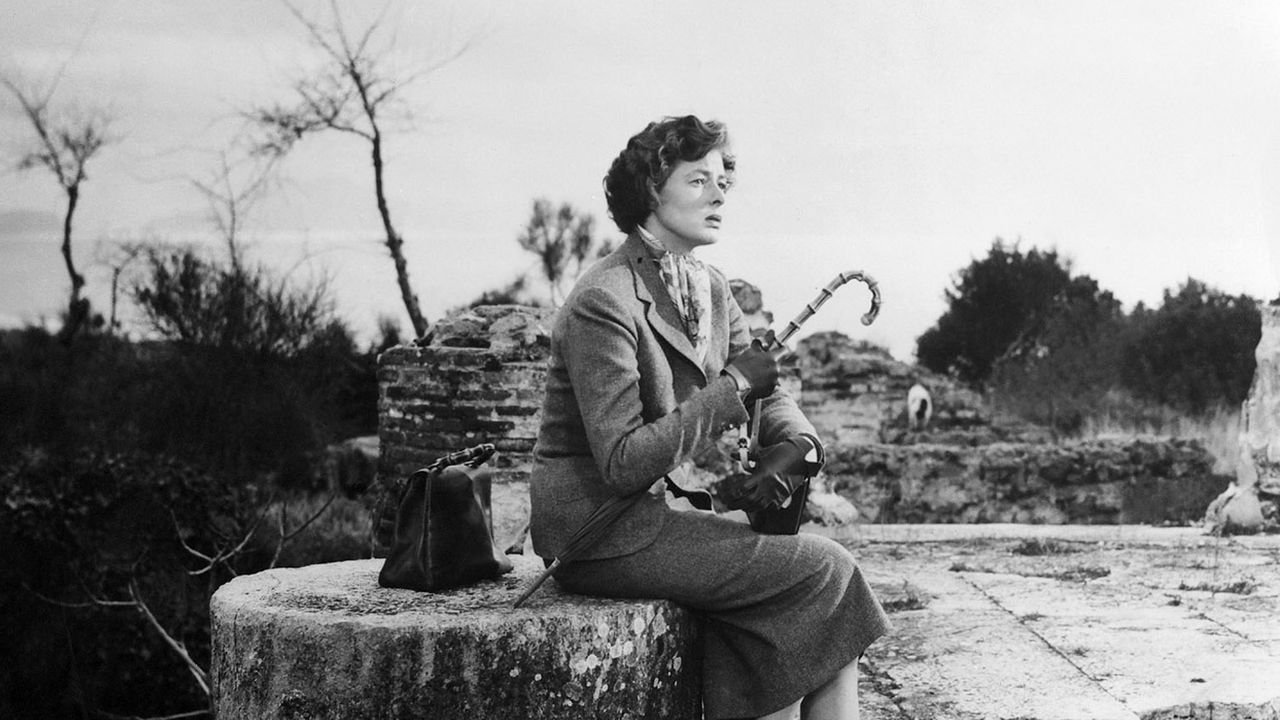
For many cinephiles, film historians, and critics, Italian cinema is modern cinema. As the Italian-American filmmaker and historian Martin Scorsese has said, mid-century Italian filmmakers like Roberto Rossellini “changed what the world thinks of cinema.” After the political, material, and cultural devastation of Italy during the Second World War, a disparate group of these critics, poets, and playwrights-turned-filmmakers from both the country’s north and south invented a new kind of cinematic language from the ashes. Older, experienced directors Rossellini, Vittorio De Sica, and Luchino Visconti, all of whom had worked under the previous fascist government, used the country’s devastated landscape and rampant poverty to produce a vivid, documentary-inspired neorealism focused on the paesano and the paese, the countryman and the country. But Rossellini and Visconti, the latter a scion of the country’s aristocratic theater and opera traditions, also mined melodrama, historical epics, and more expressionist genres of filmmaking.
Under their influences, other former neorealists including Michelangelo Antonioni and Federico Fellini expanded the lexicon of the European art film by embracing middle- and upper-class drama, dark comedy and satire, surrealism, architecture/psychogeography, baroque literature, and morality tales, all in an effort to illustrate Italy’s miraculous industrialization and culture industry by the early 1960s. Meanwhile, genre directors like Sergio Leone, Elio Petri, and Dario Argento developed uniquely Italian interpretations of the western, political thriller, police procedural, and suspense and horror films during the turbulent countercultural era from the later part of the decade through the next. For their efforts, this new Italian cinema would extend beyond national borders and find new generations of filmmakers and audiences around the world.
perrAhead of Vogue World: Milano’s celebration of Italian craft and innovation, we’ve put together a shortlist of Italy’s most classic movies and the filmmakers—some well-known, others more niche—who contributed to the country’s singular reimagining of its own landscape and people through cinema.
