

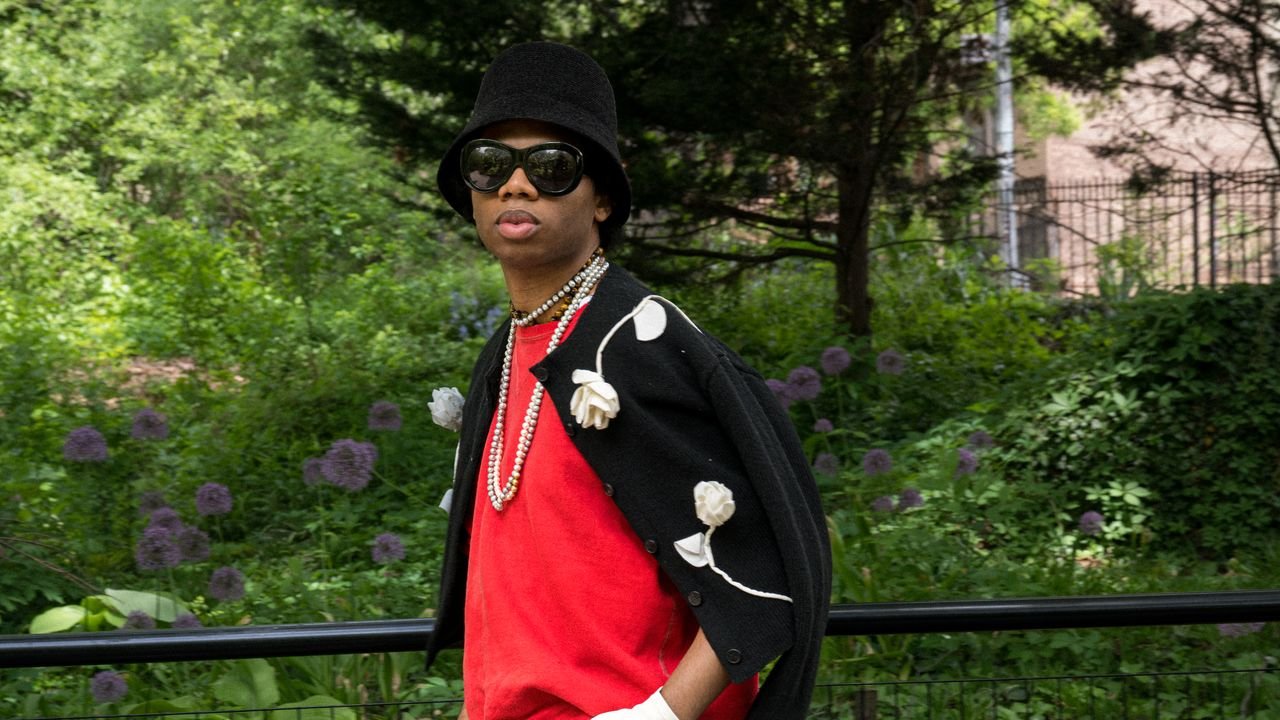
A few seasons ago, the archetype of the “lady who lunches” was on the mood board of many designers, in no small part thanks to Ryan Murphy’s show Feud: Capote vs. The Swans, which explored Truman Capote’s relationships with his coterie of socialite friends—including Babe Paley, C.Z. Guest, Lee Radziwill, and Slim Keith—that he called his “swans.” Everywhere you turned, you could see the imprint of these women—their tweed skirt suits, pearls, and personality hats—even in collections that had seemingly nothing to do with them.
And yet, these looks never seemed to evolve beyond a costume. Despite the romanticizing of a supposed return to glamour, the public didn’t seem ready to embrace the level of effort required of such a uniform at the time. Just four years post-lockdown, comfort and ease were still paramount. The runways proposed a return to formal dressing, but consumers still wanted clothes that asked very little of them.
Now, there seems to be a far greater appetite for dressing up again, which is perhaps why a certain level of refinement has once again returned to the runway for fall 2026. Specifically, thanks to Matthieu Blazy at Chanel, Jonathan Anderson at Dior, Michael Rider at Celine, and many more. This time, designers and the public seem to finally be aligned; however, the very idea of what it means to dress “ladylike” is being given a much-needed refresh.
Today’s swans approach clothes with less rigidity. To them, a Chanel tweed skirt suit is just as sacred as a pair of flip-flops from The Row, or a pre-millennium concert tee. There is still a sense of ease to the act of dressing, but now the instinct is to elevate rather than simplify: a cherished sweatshirt worn with satin trousers and white kid gloves, or a gold jacquard skirt paired with a chunky men’s sandal rather than a delicate heel. The oft-referenced Coco Chanel notion of removing one thing before leaving the house has been replaced with the desire to add. Pearls are once again the topic du jour, particularly when they come in unusual configurations or colors beyond iridescent white. Oversized bags are carried indiscriminately from day to night, and clashing prints and colors are not only accepted but encouraged.
Perhaps the most modern proposition presented by designers, though, is that to dress ladylike today does not require one to be a lady at all. More than anything, it requires a willingness to indulge in glamour, and perhaps even a tolerance for the rigor that glamour demands.
Lela Rose
