

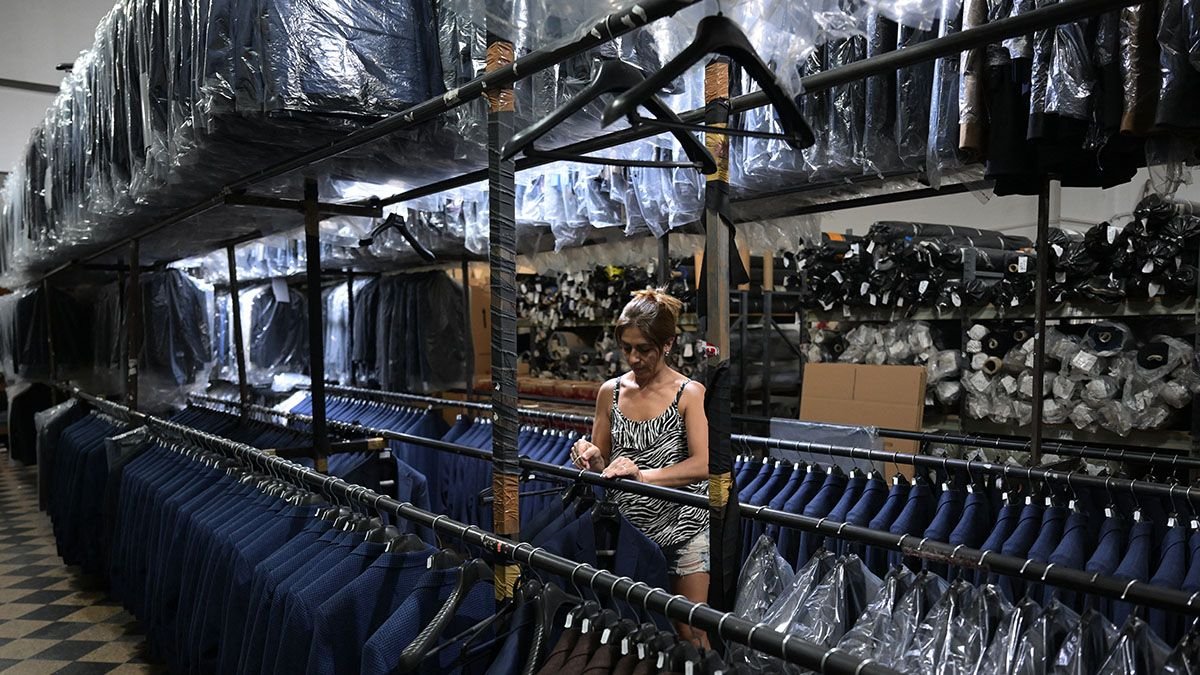
In July, the Environmental Action Germany (DUH), a Berlin-based NGO, issued a statement asserting that the derogations won’t prevent the overarching problem of overproduction — a practice the ESPR aims to disincentivize. “The ban on destruction only addresses the symptoms, not the cause: the mass overproduction of short-lived fast fashion textiles,” said Viola Wohlgemuth, senior expert for textiles and circular economy at DUH, in the statement. “When the bathtub overflows, you don’t grab a mop — you turn off the tap.” The organization identified what could be considered loopholes in the regulation: if stock isn’t accepted as donations, or if repair is deemed too expensive, destruction will be permitted. Indeed, Article 25 (b) in the regulation makes exceptions for products “which cannot be repaired in a cost-effective manner.”
Implications for textile recycling
A point of contention has divided the sector: recycling unsold stock is currently considered destruction, and is banned unless derogations apply. For brands that might have once sent a batch of unsold T-shirts to a recycler to be turned into yarns, this will no longer be possible. (This only applies to pre-consumer stock which could still be used, not post-consumer waste, as regulators don’t want recycling to become a ‘get out of jail free’ card for brands looking for an easy fix for unsold stock.)
That could pose a major hurdle to textile recycling companies, which are racing to scale, and in need of feedstock. “According to many companies, this is stupid because we are trying to fill the capacities of recyclers,” says Matteo Aghemo, co-founder and chief executive of Musthad, who hosted a webinar on the destruction ban for more than 100 well-known brands a few weeks ago.
Espínola from Policy Hub says the derogations provide a necessary caveat to the rule: “It doesn’t make sense to categorize recycling as destruction of the product and to completely prohibit recycling, because there are cases where you need to do so,” she says. “Conceptually, it was a big fight to have recycling included under the definition of destruction because we need to incentivize and stimulate recycling to move to the next stage of recycling infrastructure globally.”
Many organizations agree with the regulation that recycling unsold stock should be the last resort after all other avenues have been exhausted. “We need to consider the waste hierarchy,” says Andreas Dorner, general manager of Re&Up Recycling Technologies, which is a member of the T-2-T Alliance. “If a product can be resold and reused, it should stay in the circle as long as possible.” He says that brands shouldn’t look to Textile-to-Textile recycling of unsold stock as a viable long-term solution because it won’t address the core issue at play. “It’s not the right way to do it from the ethical side or the economic side,” Dorner says. “We just reinforce overproduction by using more and more raw materials, and then we will have more to recycle.”
Too soon to say
While the EU has set the goalposts, national authorities will be responsible for ensuring compliance and can impose penalties, but it’s unclear whether additional funding is being provided. “They are going to be checking for all these different pieces of legislation, and are we considering increasing resources? Are we considering what they need?” asks Espínola. “That is key. We need a level playing field. If we have the rules, we need to apply the rules in an efficient way to make sure everyone is complying.”
